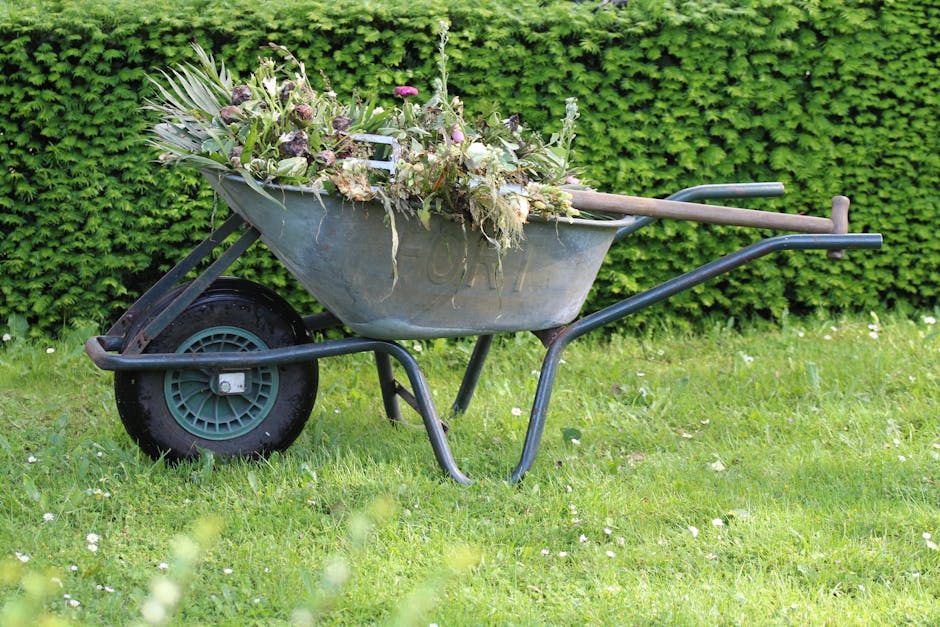
Urgent garden clearance and debris removal gardeners in Downham
If your garden has tipped from "a bit untidy" into "we really need to sort this out today," you are not alone. Stormy weather, a skipped season of maintenance, fallen branches, old fencing, broken pots, hedge cuttings, and general green waste can build up quickly. In Downham, that can mean a space you no longer want to use, safety risks around paths or gates, and a job that feels bigger every time you look at it. Urgent garden clearance and debris removal gardeners in Downham are there to step in when time matters, tidy the lot, and leave the area usable again.
This guide explains what urgent clearance actually involves, how the process works, what to expect from a good team, and how to avoid the common headaches that turn a simple tidy-up into a messy weekend. If you are comparing options, you may also find it helpful to look through the wider services overview and the dedicated garden clearance page for a fuller sense of what can be included.
Let's face it: when the garden is full of soggy clippings, snapped branches, and half-moved rubble, you do not want theory. You want a clear plan and a team that understands urgency without making the job feel rushed.
Table of Contents
- Why urgent clearance matters
- How the clearance process works
- Key benefits and practical advantages
- Who this is for and when it makes sense
- Step-by-step guidance
- Expert tips for better results
- Common mistakes to avoid
- Tools, resources and recommendations
- Law, compliance, standards and best practice
- Options, methods and comparison
- Case study or real-world example
- Practical checklist
- Conclusion
- Frequently asked questions
Why Urgent garden clearance and debris removal gardeners in Downham Matters
Urgent clearance is not just about appearance. A cluttered garden can become awkward to access, unpleasant to use, and harder to maintain. Wet leaves turn slippery. Broken timber becomes a trip hazard. Overgrown beds hide litter, sharp edges, and sometimes nesting pests. Even a small pile of debris can block drains, press against fences, or make a side return feel cramped and unsafe.
For many homeowners, landlords, and property managers in Downham, the issue is timing. A sale is going through. A tenancy is ending. Visitors are due. A storm has left a trail of damage. Or the garden has simply gone past the point where a light tidy will do. In those moments, an experienced gardener can do more than cut things back. They can restore order, separate waste properly, and help you see the garden again rather than the mess.
There is also a practical emotional side to this. A neglected outside space can feel strangely heavy. You step out, see the same heap of debris, and think "I'll deal with that next week." Then next week becomes next month. A prompt clearance breaks that cycle. It gives you a clean slate, which is often the first real step towards proper garden maintenance or redesign later on.
Expert summary: urgent garden clearance is most effective when it is treated as both a safety task and a reset button. Clear access first, remove the hazard, then decide what should be reused, recycled, trimmed, or taken away.
How Urgent garden clearance and debris removal gardeners in Downham Works
A good urgent clearance service is usually straightforward, but the best teams work methodically rather than just grabbing bags and hoping for the best. The job often begins with a brief assessment of what needs removing, whether anything is hazardous, and how the waste should be handled. That might include green waste, soil, broken garden furniture, old plant supports, cut branches, hedge trimmings, and general mixed debris.
Depending on the size of the site, the crew may divide the work into sections: front garden, side access, lawn area, beds, borders, shed surroundings, and hardstanding. This keeps the job organised and helps prevent items being missed. If there is overgrown growth, the team may need to do some cutting back before waste can be safely collected. In some cases, clearance is paired with broader work such as hedge trimming, lawn mowing, or tree lopping and removal when those tasks are part of making the site safe and manageable.
Then comes sorting. A professional approach separates compostable green waste from items that need a different disposal route. That matters because it supports cleaner disposal, better recycling outcomes, and a tidier finish. If the project is bigger than a one-off clear-out, the team may recommend follow-up garden maintenance to stop the same build-up happening again. Truth be told, that follow-up is where many gardens stay under control for the long term.
Timing is another thing people often ask about. An urgent job may be arranged quickly, but the exact speed depends on access, the amount of waste, and whether any items need special handling. If the garden is completely blocked or there are heavy materials involved, it may take a little longer than a basic tidy. That is normal. Better to do it properly than sprint through and leave the awkward bits behind.
Key Benefits and Practical Advantages
The obvious benefit is that the space looks better. But the real value goes deeper than a neat lawn and a few tidy borders.
- Safer access: Clear paths, gates, and steps reduce trips and slips, especially when debris has been left in damp weather.
- Less stress: A messy garden can feel like a chore hanging over you. Clearing it quickly lifts a surprising amount of mental clutter too.
- Better use of space: Once rubbish and overgrowth are removed, you can actually see what the garden can become.
- Improved maintenance: It is much easier to mow, trim, and plan planting after a proper clear-out.
- Stronger first impression: Useful if you are selling, letting, or simply wanting your home to feel cared for.
- Responsible waste handling: Debris can be sorted and removed more cleanly than if you try to manage it in several rushed trips.
There is also a practical sequencing advantage. Once the garden is cleared, other work becomes easier and cheaper to manage. For example, landscaping changes are simpler when you are not fighting around old timber, dense bramble, or a stack of unwanted materials. If you are planning a bigger outdoor refresh, looking at landscaping or landscape gardening after the clearance can be a sensible next step.
And yes, it can save time. Not every garden emergency needs a full redesign. Sometimes you just need the site made usable again before the week gets away from you.
Who This Is For and When It Makes Sense
This service is for anyone whose outside space has crossed from "manageable" into "needs action now." That includes homeowners, landlords, tenants at the end of a tenancy, probate situations, property managers, and anyone preparing a home for sale or renovation. It also helps after weather damage, if hedges have run wild, or if a previous DIY attempt has left the garden in a bit of a state. Happens more often than people admit.
It makes sense when:
- there is a safety issue from fallen branches, broken pots, or slippery organic debris;
- access to the garden is blocked;
- you need the space cleared before contractors arrive;
- the garden has been neglected for a long period;
- you want waste removed properly, not just shoved into black bags;
- you need a fast turnaround before an event, inspection, or handover.
It may also be the right call if you simply do not have the tools, time, or physical capacity to do the work yourself. No shame in that. Clearing heavy, thorny, or awkward debris is not the sort of job most people want to spend a whole Saturday doing.
Step-by-Step Guidance
If you want to understand how a professional clearance usually unfolds, this is the simplest way to think about it.
- Survey the space. The gardener looks at access, hazards, and the kind of debris present.
- Agree the scope. Decide what is being removed, what stays, and whether any cutting back is needed first.
- Prepare the site. Fragile items are moved out of the way and access routes are opened up.
- Remove bulky material. Larger branches, cuttings, soil bags, broken items, or old garden materials come out first.
- Sort the waste. Green waste, recyclable materials, and mixed debris are separated where possible.
- Final sweep and tidy. This is where the job starts to feel complete, not just "mostly done."
- Check the result. A quick walk-through helps catch anything awkward behind sheds, borders, or fences.
For a fast response, it helps if you can describe the situation clearly when you enquire. A short phone call or message with a couple of photos is often enough to let the team judge access, waste volume, and urgency. If you are still comparing service levels, the pricing and quotes page can help you understand how quotes are usually approached.
One little tip: if you know there are hidden nasties in the pile, say so. Old nails in timber, rusted wire, or sharp offcuts are exactly the kind of thing you want flagged early. Saves a headache later.
Expert Tips for Better Results
From experience, the best clearance jobs are the ones that begin with a little bit of planning, even when the need is urgent. Here are a few practical ways to improve the outcome.
- Walk the garden first. Even a quick five-minute look can reveal what is salvageable and what is waste.
- Separate what you want to keep. Pots, tools, plant labels, and reusable timber can disappear fast if they are left in the middle of the work area.
- Be honest about access. Narrow side passages, steep steps, or locked gates change how a job is handled.
- Ask about waste separation. A careful team will normally aim to sort material sensibly rather than sending everything out mixed together.
- Think beyond the one-off job. If the space will need ongoing care, build in regular maintenance right away.
- Match the clearance to your next goal. If you want a tidy family garden, the approach differs from a space being prepared for landscaping work.
A useful rule of thumb: if it looks like it might be sharp, heavy, unstable, or hiding under growth, mention it. Clear information helps the team bring the right gear and avoid delays. Simple, really.
Common Mistakes to Avoid
Urgent jobs can go wrong when people rush the wrong part of the process. Ironically, the faster you want it done, the more important the details become.
- Not defining the scope: People often say "clear the garden" but mean very different things. Be specific about what stays and what goes.
- Leaving hidden waste in place: Old rubble, metal, or rotten timber buried under cuttings can slow everything down.
- Ignoring access issues: If the team cannot get bags or barrows through easily, the job will be harder and longer.
- Trying to do hazardous work yourself: Large branches, unstable debris piles, and unknown materials are best handled carefully.
- Assuming all waste is the same: Green waste, wood, mixed rubbish, and soil are not always treated the same way.
- Skipping the aftercare plan: A cleared garden can drift back into chaos without a simple maintenance routine.
There is also a classic mistake: clearing everything out and then not knowing what to do with the empty space. That's a nice problem to have, but still a problem. A little post-clearance planning helps a lot.
Tools, Resources and Recommendations
Professional gardeners use a mix of cutting, lifting, collecting, and transport equipment depending on the job. You do not need to own any of it yourself, of course, but knowing what is usually involved helps you understand the service better.
| Task | Common tools or equipment | Why it matters |
|---|---|---|
| Cutting back growth | Saws, loppers, hedge trimmers | Helps open up the area safely before removal |
| Collecting debris | Rakes, tarps, bags, barrows | Makes waste handling quicker and tidier |
| Removing bulky items | Wheelbarrows, lifting gear, transport vehicle | Reduces strain and speeds up the clear-out |
| Managing waste | Segregation containers, sacks, loading space | Supports responsible disposal and recycling |
| Safety work | Gloves, eye protection, sturdy footwear | Protects the team from sharp or unstable material |
From a homeowner's point of view, the most useful "resource" is clear communication. A few photos, a short note about what worries you most, and a rough idea of how urgent it is can save everyone time. If safety and insurance are a concern, it is sensible to review the company's insurance and safety information and their health and safety policy before booking. That may sound formal, but when heavy branches and tight access are involved, formal is good.
If sustainability matters to you, the recycling and sustainability approach is worth a look too. Not every pile of debris should be treated the same way, and careful sorting makes a genuine difference.
Law, Compliance, Standards and Best Practice
Garden clearance is not usually a highly regulated service in the way some trades are, but there are still important UK standards of practice to keep in mind. Waste should be handled responsibly, access routes should be managed safely, and workers should avoid creating hazards for occupants, neighbours, or passers-by. If branches overhang boundaries or if debris has become a shared issue, a sensible approach is always better than a hurried one.
In practical terms, reputable gardeners will think about:
- Safe handling: lifting, cutting, and moving debris without unnecessary risk;
- Waste separation: keeping green waste, timber, and mixed materials organised;
- Insurance awareness: especially where larger trees, broken structures, or difficult access are involved;
- Property care: avoiding damage to paving, fences, gates, sheds, and planted areas;
- Transparent terms: so both sides know what is included before work starts.
If you are booking work in a property-management or landlord context, clear records and written terms are particularly helpful. For general peace of mind, it is also sensible to review the company's terms and conditions and their about us information so you know who is doing the work and how they operate. No one enjoys the small print, but it matters more than most people think.
The best practice standard is simple: clear the garden safely, leave it tidy, and make sure waste is handled in a way that is consistent and responsible.
Options, Methods, or Comparison Table
Not every overgrown garden needs the same approach. Sometimes a quick debris run is enough. Other times, you need a deeper clearance that includes cutting back and reshaping. Here is a straightforward comparison.
| Method | Best for | What it includes | Typical outcome |
|---|---|---|---|
| Basic debris removal | Loose waste, small piles, fallen leaves | Collection and removal only | Quick visual improvement |
| Urgent clearance | Overgrowth, clutter, access problems | Cut-back, loading, sorting, tidy finish | Garden made usable again |
| Clearance plus maintenance | Recurring mess, shared gardens, ongoing upkeep | Removal plus follow-up care | Cleaner space for longer |
| Clearance before landscaping | Redesign projects, prep work | Waste removal and site prep | Ready for the next stage |
What should you choose? If you just need the place picked up after a windy week, a lighter service may do. If brambles, branches, and mixed debris are in the way, the urgent clearance route is usually the better shout. And if the garden has been creeping back into the same state for months, combine clearance with a maintenance plan. That's the honest answer.
Case Study or Real-World Example
Picture a typical Downham home after a stretch of wet weather. The back garden has become a patchwork of fallen twigs, clipped hedge waste, dead leaves, and a few old broken items left near the fence. The side access is blocked enough that carrying bins through feels awkward. The homeowner wants the space cleared before relatives visit at the weekend, but they also want to keep a couple of planters and a small timber bench.
A sensible clearance starts with a quick walkthrough. The keep items are moved aside. The most obvious trip hazards come out first. Hedge waste and light debris are gathered before the heavier, damper material is loaded. By the end, the pathway is open again, the lawn can be reached, and the garden no longer feels like it is closed off. The owner can then decide whether to book mowing, hedge work, or a broader tidy-up later on.
That is the real value of a good urgent clearance: not perfection, just relief. You go from stuck to sorted. Not glamorous, but very useful.
Practical Checklist
Use this checklist before you book urgent garden clearance and debris removal.
- Identify the main problem areas: branches, leaf build-up, broken items, blocked access, or overgrowth.
- Decide what must stay in the garden and what should be removed.
- Check whether any material is heavy, sharp, wet, or unstable.
- Take a few photos of the area from different angles.
- Make sure gates, side access, or key entry points are available.
- Ask whether the job needs waste sorting or special handling.
- Consider whether follow-up work such as mowing, hedge trimming, or maintenance will be needed.
- Review pricing, terms, and safety information before confirming.
- Plan what you want the garden to be like once the clearance is complete.
- Leave room for a final walk-through once the team has finished.
A small bit of preparation can make a surprisingly big difference. Really, it can.
Get a free quote today and see how much you can save.
Conclusion
Urgent garden clearance and debris removal gardeners in Downham provide a practical way to get control back when the outside space has become cluttered, unsafe, or simply overwhelming. The job is about more than lifting waste. It is about restoring access, reducing risk, and creating a clean starting point for whatever comes next.
If you approach it with a clear brief, a realistic understanding of the work involved, and a team that treats safety and waste handling properly, the process is usually far smoother than people expect. And once the debris is gone, the garden often feels bigger, calmer, and a lot more hopeful. That first proper breath of open space can be a nice moment, to be fair.
If you are ready to move from messy to manageable, taking the next step now is usually the easiest part.
Frequently Asked Questions
What counts as urgent garden clearance?
Urgent garden clearance usually means the garden needs attention quickly because of safety concerns, blocked access, storm damage, a deadline, or a general build-up of debris that cannot wait.
Can debris removal include branches, hedge cuttings, and old garden items?
Yes, it often can. Many clearance jobs include green waste, branches, hedge trimmings, broken pots, timber offcuts, and other mixed garden debris, although the exact scope should always be confirmed first.
How quickly can a garden be cleared?
That depends on access, the volume of waste, and how much cutting back is needed. Some urgent jobs are handled very quickly, while larger or more complex gardens take longer.
Do I need to be at home during the clearance?
Not always, but it is usually helpful if someone can provide access, confirm what should stay, and answer questions at the start or end of the job. If you cannot be there, clear instructions matter a lot.
Will the team just remove waste or also tidy the area?
Most professional clearances include a final tidy-up so the garden is left usable, not just emptied. It is worth checking whether sweeping, raking, or light finishing is included in the quote.
Is garden clearance the same as garden maintenance?
No. Garden clearance is usually a larger one-off reset, while maintenance is ongoing care such as mowing, trimming, and keeping growth under control over time.
What should I do before the gardeners arrive?
Move personal items, identify anything that must stay, unlock access routes, and take photos if you want a record of the area before work begins. A quick walk-through with the team is ideal.
Can clearance help before landscaping work?
Absolutely. In many cases, clearing debris and cutting back overgrowth is the first step before any redesign, planting, or structural outdoor work can begin.
How do I know if a company is suitable for urgent clearance?
Look for clear communication, sensible pricing, safety awareness, and a straightforward explanation of what is included. It also helps if they provide transparent information about insurance and terms.
What happens to the garden waste after removal?
That depends on the material, but responsible gardeners will usually sort green waste and other debris appropriately, with an eye on recycling and proper disposal where possible.
Can urgent clearance include overgrown hedges or small trees?
Yes, if that work is needed to make the garden safe and accessible. For larger woody growth or more involved cutting, the job may overlap with hedge trimming or tree work.
What if my garden has hidden hazards like nails or broken glass?
Tell the gardener in advance if you know about any hidden hazards. That allows them to plan safely and bring the right protective equipment and handling approach.
Is it worth arranging follow-up maintenance after a clearance?
Usually, yes. A one-off clear-out solves the immediate problem, but maintenance helps stop the same mess returning. For many people, that is the real long-term win.
For a reliable next step, you can also explore the team's wider background through the about us page or reach out via contact us when you are ready to talk through the job.