Garden maintenance for terraced homes on Downham Way
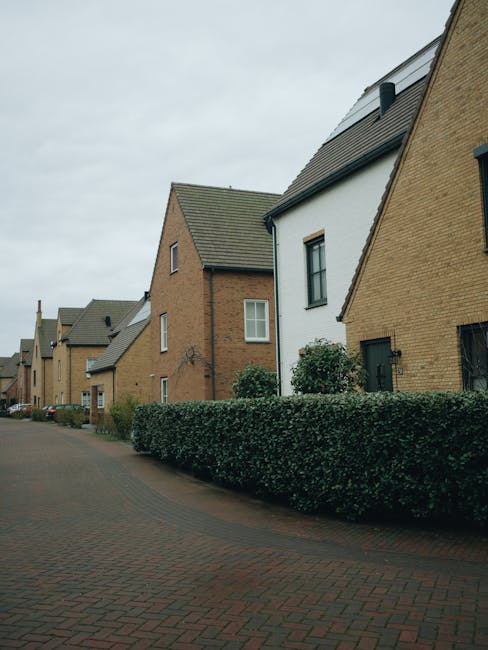
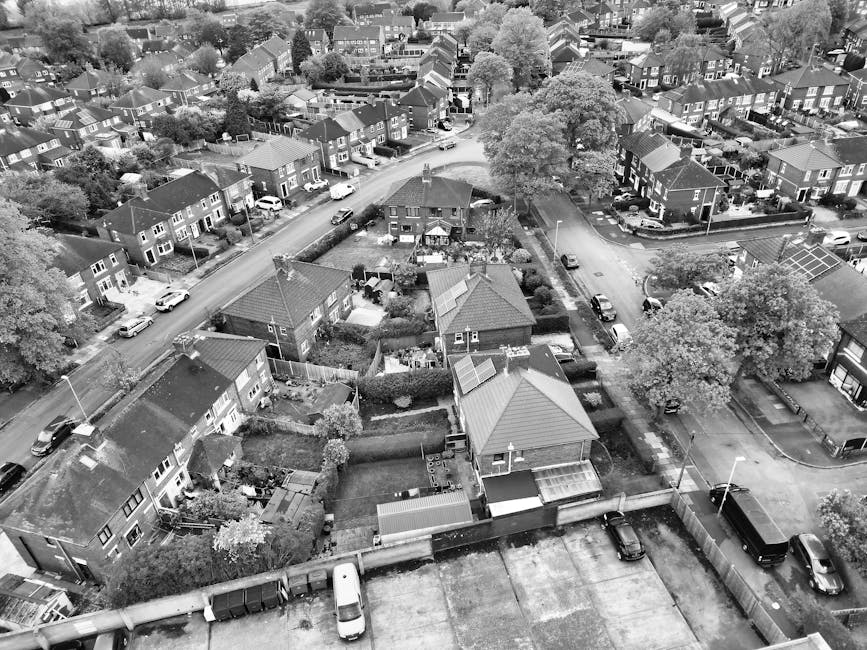
Terraced homes can have brilliant gardens, but they also come with their own little quirks. Narrow access, shared boundaries, shaded patches, awkward corners, and the odd neighbourly hedge that seems to have a life of its own. If you are looking for garden maintenance for terraced homes on Downham Way, the real challenge is not just keeping things tidy; it is keeping the space healthy, manageable, and pleasant to use without turning every weekend into a chore.
This guide walks through what good terrace-garden maintenance looks like, why it matters, how it works in practice, and what to watch out for if your outdoor space is compact, overlooked, or just a bit stubborn. You will also find a clear checklist, useful comparisons, and practical advice that should help whether you maintain the garden yourself or want a more consistent professional service.
Expert summary: On a terraced property, the best garden maintenance is usually less about big dramatic changes and more about regular, disciplined upkeep. Small actions, done well and done often, keep the garden neat, healthier, and easier to enjoy. Truth be told, that is usually where the real value sits.
Why Garden maintenance for terraced homes on Downham Way Matters
A terraced home garden tends to work hardest when it is kept simple. Unlike a large detached plot, there is often less room for error. If a lawn gets patchy, a hedge gets out of hand, or fallen leaves pile up in a narrow side return, the whole space can start to feel smaller and harder to manage. That is why regular maintenance matters so much.
There is also the practical side. In a terrace, outdoor spaces are often visible from neighbouring properties, so a tired garden can feel messy very quickly. The reverse is true too: a well-kept garden can make the whole house feel brighter and more cared for. Even a modest plot can look genuinely attractive if the mowing, pruning, and weeding are kept on top of.
On Downham Way, as in many London residential streets, gardens often need to cope with urban conditions: partial shade from buildings, compacted soil, wind exposure, and the usual combination of damp and dry spells. Some gardens collect moss and weed growth in hidden corners; others dry out fast because they are sheltered from rain but exposed to heat bouncing off walls. It is a funny old mix.
Regular maintenance also prevents the domino effect. A few missed weeks can lead to overgrown edges, heavier pruning later, blocked drainage areas, and more time spent clearing debris. That kind of catch-up work is rarely enjoyable, and usually more expensive than staying ahead of it.
How Garden maintenance for terraced homes on Downham Way Works
For a terraced property, maintenance usually works best as a repeatable routine rather than a once-in-a-while rescue job. The most effective approach is to break the garden into manageable tasks and deal with each one before it becomes a problem. Simple, but effective.
A proper maintenance plan normally covers grass cutting, edging, weed control, hedge trimming, pruning, leaf clearance, border tidying, and checking for plant health issues. If the garden includes a patio, decking, or a narrow side access, those areas may also need sweeping, washing, or moss removal. If you need support with those connected tasks, garden maintenance services can help keep everything consistent rather than leaving you to juggle it all at once.
Where access is tight, timing and planning matter. Carrying tools through the house, sharing boundary lines carefully, and working around bins, gates, or parked cars can all affect how the job is organised. A good service will think about the practical side first, not just the visible finish. And yes, the details matter. They always do.
Seasonal changes also shape the work. Spring often focuses on recovery and growth. Summer is about watering, mowing, and staying ahead of fast growth. Autumn brings leaf fall and tidying. Winter is the time for structure, checks, and protection against damage. The rhythm changes, but the aim stays the same: a garden that looks cared for and behaves itself.
Key Benefits and Practical Advantages
There are a few benefits that stand out immediately when terrace-garden maintenance is handled well.
- A neater appearance: Regular mowing, trimming, and weeding keep the garden visually calm rather than chaotic.
- Better plant health: Pruning, feeding, and removing dead growth help plants direct energy where it is needed.
- Safer access: Clear paths, trimmed edges, and reduced clutter make the space easier to use.
- Less long-term work: Small maintenance tasks are easier and cheaper than major recovery jobs.
- More usable outdoor space: A well-kept terrace garden feels larger and more inviting, even when it is compact.
There is also a quieter benefit that people sometimes underestimate: peace of mind. When the garden is under control, it stops sitting in the back of your mind like another job you have not got round to. That mental relief is not trivial, especially for busy households.
If your terrace includes a lawn, regular cutting can make a surprisingly big difference to the whole feel of the property. If hedges or boundary shrubs are part of the space, the right trimming schedule will stop them shading out smaller plants or squeezing the garden visually. For those jobs, services such as lawn mowing and hedge trimming can be a practical part of a wider maintenance plan.
Who This Is For and When It Makes Sense
This kind of maintenance is useful for a lot of different homeowners and landlords, but it is especially relevant if your garden is small, overlooked, or difficult to access. Terraced homes often have one of those three things. Sometimes all three. Charming, in its own way.
You may need regular maintenance if:
- the garden is starting to look tired between seasons
- you have a lawn that grows quickly or turns patchy
- hedges, shrubs, or climbers are beginning to sprawl
- you do not have time for frequent upkeep
- you want the garden to stay presentable for family use or viewings
- you are preparing to sell, let, or refresh the property
It can also make sense after a period of neglect. Perhaps you have moved in recently and the garden needs a reset. Or maybe work and family life have simply pushed it down the list for a while. That happens. In those situations, a combination of clearance and maintenance is often the sensible route. If the space is heavily overgrown, garden clearance may be the better starting point before the regular upkeep begins.
Landlords and managing agents may also need this service to keep a property in decent condition between tenancies. A neat garden is not just cosmetic; it affects first impressions and can help avoid avoidable complaints from tenants or neighbours. Nobody wants a simple garden issue turning into a long email thread.
Step-by-Step Guidance
If you want a sensible approach to terrace-garden maintenance, use a simple sequence. It avoids the classic mistake of jumping straight to the most visible problem while missing the less obvious ones.
- Assess the space properly. Walk the garden slowly. Look for overgrowth, drainage issues, weeds in joints, broken edging, and any plant damage.
- Clear debris first. Remove leaves, twigs, dead stems, and rubbish before you touch the finer details. This makes everything easier to judge.
- Cut and shape the green growth. Mow the lawn, trim edges, and reduce overlong shoots or shrubs. Keep the shape balanced rather than shaving everything flat.
- Deal with weeds and moss. Focus on paths, borders, patio cracks, and tight corners where growth tends to return quickly.
- Check plant health. Remove dead foliage, support weak growth, and cut back anything damaged by weather or disease.
- Water and feed where needed. In warm or dry periods, water deeply and less often rather than giving small, frequent splashes.
- Finish with edges and surfaces. A final sweep, rake, or rinse can make the whole garden look sharper. A little polish goes a long way.
If the garden contains taller shrubs or small trees, work carefully. Don't just hack away at them because they have got a bit untidy. Pruning needs judgement. Sometimes the best result comes from selective cuts rather than hard reductions. If tree growth is becoming a concern, especially near fences or rooflines, a specialist like tree lopping and removal may be the safer choice.
And if your garden has a paved seating area or timber feature, maintenance can naturally overlap with bigger improvements. In those cases, services such as decking services or broader landscaping may be worth considering if the existing layout no longer suits how you actually use the space.
Expert Tips for Better Results
A few small habits make terrace-garden maintenance much easier over time.
1. Work little and often. A short session every couple of weeks is usually better than one exhausting clear-up every few months. Gardens behave better when they are not allowed to run wild in the first place.
2. Keep the edges crisp. On a compact plot, edges matter more than people think. Sharp borders, tidy lines, and clean path edges make the whole garden look looked-after even if the planting is fairly simple.
3. Watch the shade pattern. Terraced homes often have uneven light. If one corner gets little sun, choose shade-tolerant plants or accept that the area may need more moss and leaf management. Fighting the site usually ends badly.
4. Rotate the focus by season. Don't try to do everything at once. In spring, prioritise growth and structure. In summer, focus on watering and mowing. In autumn, leaf clearance and border tidy-ups become the main event. Winter is for checking damage and keeping things stable.
5. Use the right cut, not just any cut. Heavy-handed pruning can leave a terrace garden looking bare and awkward. A little restraint often gives a better result, especially in a small enclosed space.
6. Build in a clearing habit. A narrow terrace garden collects stuff fast: pots, broken canes, fallen leaves, forgotten bits of plastic, the usual suspects. Clearing clutter regularly keeps the whole place breathing.
There is a small skill to it. Not glamorous, no. But effective.
Common Mistakes to Avoid
Terraced gardens often go wrong in predictable ways, and once you know the patterns, you can avoid a lot of frustration.
- Letting everything build up: A few skipped weeks can turn into a full reset job.
- Cutting back too hard: Over-pruning can stress plants and make the garden look sparse.
- Ignoring drainage: Small gardens can still develop soggy patches, especially near walls or in shaded areas.
- Using the same routine all year: Seasonal growth changes, so maintenance should too.
- Forgetting boundary growth: Hedges and climbers can quietly take over shared lines.
- Leaving surfaces untreated: Slippery patios and mossy paths are easy to overlook until they become annoying or unsafe.
One common one is assuming a tiny garden needs less care because it has less space. In practice, the opposite can happen. Compact spaces show neglect faster. A few weeds in a 20-foot terrace garden can look like a lot. Slightly unfair, but there it is.
Tools, Resources and Recommendations
You do not need a van full of equipment to keep a terraced garden in good shape. A sensible, compact toolkit usually does the job.
| Tool or item | What it helps with | Why it matters in a terraced garden |
|---|---|---|
| Hand shears or secateurs | Trimming small shrubs, deadheading, light shaping | Useful where access is tight and precision matters |
| Lightweight mower | Regular lawn cuts | Easier to manoeuvre in narrow spaces |
| Rake and leaf scoop | Leaf and debris clearance | Prevents build-up in corners and along fences |
| Hoe or hand weeder | Removing weeds from beds and cracks | Better for small, detailed work than heavy tools |
| Watering can or hose | Targeted watering | Important for containers and sheltered planting |
| Gloves and sturdy shoes | Protection during routine work | Very sensible for pruning, clearing, and damp ground |
If you are deciding whether to maintain the garden yourself or bring in help, think about repetition rather than just effort. Can you do it once? Probably. Can you keep doing it every few weeks, through the messy seasons, without resenting it? That is the real question.
For households that prefer a reliable ongoing service, it can help to look at the wider range of support available through services overview and compare that against your garden's actual needs. It may also be useful to review pricing and quotes so expectations are clear before work begins.
Law, Compliance, Standards, or Best Practice
For most domestic gardens, there is not a long list of special legal requirements for ordinary maintenance. Even so, good practice matters. If you live in a terraced home, you should be mindful of boundary lines, neighbouring access, shared fences, overhanging growth, and any work that could affect adjoining property. That is especially true where hedges or trees are close to walls, roofs, or public-facing areas.
From a safety perspective, sensible maintenance means using tools properly, wearing suitable footwear and gloves, and avoiding risky work on ladders or unstable ground. With taller vegetation, it is usually smarter to get experienced help than to improvise. No one needs a heroic backstory about balancing on a step ladder with a pruning saw. Let's skip that.
If the work involves debris disposal, recycling is worth considering too. Green waste can often be handled more responsibly when it is separated from general rubbish. For environmentally aware households, recycling and sustainability is a useful principle to keep in mind alongside routine maintenance.
Where a contractor is involved, you should also expect clear communication on safety, insurance, and what is included. A trustworthy provider will be transparent about how the work is carried out and what happens if a job becomes more involved than expected. That sort of clarity saves stress later on. Small thing, big difference.
Options, Methods, or Comparison Table
Different terraced homes need different approaches. The best option depends on how much time you have, how overgrown the space is, and how much consistency you want.
| Approach | Best for | Pros | Trade-offs |
|---|---|---|---|
| DIY upkeep | Small, manageable gardens with light growth | Flexible, lower direct cost, hands-on control | Time-consuming, easy to fall behind, can become tiring |
| Occasional tidy-up visits | Gardens that need periodic resets | Useful for catching up after busy periods | Gaps between visits can still allow problems to return |
| Regular maintenance plan | Busy households, landlords, or gardens that grow fast | Consistent appearance, easier upkeep, fewer surprises | Requires commitment to a schedule |
| Clearance plus maintenance | Overgrown or neglected gardens | Best for complete recovery and then staying on track | More intensive at the start |
For most terraced homes, a regular plan is the most sensible option once the garden is in decent shape. If things have got away from you, start with clearance, then move into maintenance. It is a much calmer way to handle it. Less drama, more progress.
Case Study or Real-World Example
Imagine a narrow rear garden behind a terraced house on Downham Way. There is a small lawn, two raised beds, a fence line with climbers, and a patio that catches damp in the shade. Nothing unusual, and that is exactly the point. Gardens like this are common, and they usually fail in the same way: little jobs get delayed until they become one large job.
In this kind of space, the first maintenance visit might focus on clearing fallen leaves, cutting back overgrown edges, removing weeds from paving joints, and restoring some shape to the borders. The lawn would be cut, but not scalped. The climbers would be checked for growth that might press against the fence or block light. Then the garden would be left in a condition where the next visit is a refresh rather than a rescue.
The difference is visible almost immediately. The patio feels wider. The lawn looks intentional. The borders stop blending into each other. Even the smell changes a bit after a proper clean-up, that fresh cut-grass-and-damp-soil smell that makes a garden feel alive again.
That kind of turnaround does not need a huge redesign. Usually it just needs steady, sensible care and a clear plan. A bit boring perhaps, but good boring. The best kind, honestly.
Practical Checklist
Use this simple checklist to keep a terraced garden in shape through the year.
- Walk the full garden and note problem areas
- Clear leaves, litter, and dead plant material
- Mow the lawn or trim grass edges where needed
- Remove weeds from beds, cracks, and borders
- Trim hedges, shrubs, and climbers before they spread too far
- Check for moss, damp patches, or slippery surfaces
- Prune damaged or dead growth carefully
- Water containers and thirstier plants during dry spells
- Feed plants if the season and species call for it
- Inspect fences, trellis, and shared boundary lines
- Finish with a final sweep or tidy-up
- Decide what needs weekly, monthly, or seasonal attention
Quick reminder: In a terraced garden, consistency beats intensity. A little maintenance done regularly will almost always outlast a big clear-out done once and forgotten.
If you want an organised, dependable way to keep your outdoor space under control, it can help to work with a team that understands both the practical and visual side of the job. You can learn more about the company behind these services on the about us page, or make an enquiry through the contact us page when you are ready.
Get a free quote today and see how much you can save.
Conclusion
Garden maintenance for terraced homes on Downham Way is really about making a compact space work properly. Not perfectly. Properly. There is a difference. Keep the lawn trimmed, the borders tidy, the hedges under control, and the surfaces clear, and the whole property feels more settled and easier to enjoy.
The best results usually come from simple routines, realistic expectations, and a clear seasonal plan. If the space is currently under strain, start with the worst areas first and build from there. If it is already in decent shape, keep it that way with light but regular attention. Either way, the payoff is a garden that feels like part of the home rather than another job hanging over you.
And that is the nice bit, really. A well-kept terrace garden does not shout for attention; it quietly makes everyday life better.
Frequently Asked Questions
How often should a terraced home garden be maintained?
Most terrace gardens benefit from some attention every one to two weeks during the growing season, even if it is only a short session. In quieter months, monthly checks may be enough, provided leaves, weeds, and damp spots are kept under control.
What is included in garden maintenance for a small terraced property?
Typical maintenance includes mowing, edging, weeding, hedge trimming, pruning, leaf clearance, and tidying borders. If there is paving, decking, or a patio, cleaning those surfaces is often part of the job too.
Do terraced gardens need more maintenance than other garden types?
Often, yes. They may be smaller, but they can show neglect faster because every weed, overgrown edge, or messy corner is more visible. Tight access can also make tasks slower and more awkward.
Is it better to use regular maintenance or occasional tidy-ups?
Regular maintenance is usually better if you want the garden to stay neat without big recovery jobs. Occasional tidy-ups can work for lighter-use gardens, but they tend to allow problems to build up between visits.
What should I do if the garden has become overgrown?
Start with clearance rather than maintenance. Once the space is reset, a maintenance routine is much easier to keep on top of. Trying to maintain a garden that is already heavily overgrown usually leads to frustration.
Can a small terraced garden still benefit from landscaping?
Yes. Even small gardens can benefit from better layout, improved planting, or practical features that make the space easier to use. Sometimes a minor rework has a bigger impact than expected.
How do I keep weeds down in a narrow terrace garden?
Remove them early, keep borders mulched where appropriate, and sweep paved areas regularly so debris does not collect in cracks. A little consistency helps more than heavy-handed treatment after the fact.
Are there safety concerns with pruning tall shrubs or trees near a terraced house?
There can be. Anything that requires ladders, awkward reach, or work close to roofs or boundaries should be assessed carefully. For taller growth, it is usually wiser to get professional help rather than take risks.
What time of year is best for garden maintenance?
There is no single best time. Spring is useful for recovery and growth, summer for watering and mowing, autumn for leaf clearance, and winter for checking structure and damage. The needs change through the year.
How can I make a small terraced garden look better quickly?
Clear clutter, trim edges, mow the lawn, remove weeds, and tidy the borders. Those basics often create a bigger visual improvement than adding new plants straight away. Simple, but effective.
Should I ask for a quote before booking garden maintenance?
Yes, it is sensible to understand what is included, how often visits happen, and whether any extra work might be needed. Clear pricing avoids confusion later and helps you compare options properly.
Is garden waste usually removed as part of maintenance?
Sometimes it is, depending on the service arrangement. It is worth confirming in advance so you know whether clippings, branches, and other green waste will be taken away or left for you to dispose of.